Jungfraujoch
Facts checked in November 2026 against Jungfrau Railways sources.
The Jungfraujoch is the saddle between the Mönch and the Jungfrau in the Bernese Oberland, reached by Europe's highest railway station at 3,454 m. From Interlaken the trip takes about 1 hour 30 minutes each way via the Eiger Express gondola, and a summer return costs about CHF 261, roughly £237, before discounts. With a Half Fare Card or Swiss Travel Pass it costs much less, and from May to October a CHF 10 seat reservation is compulsory.
| Altitude | 3,454 m |
|---|---|
| From Interlaken | about 1h30 |
| Return, summer | about CHF 261 |
| Open | 365 days a year |
What the Jungfraujoch is
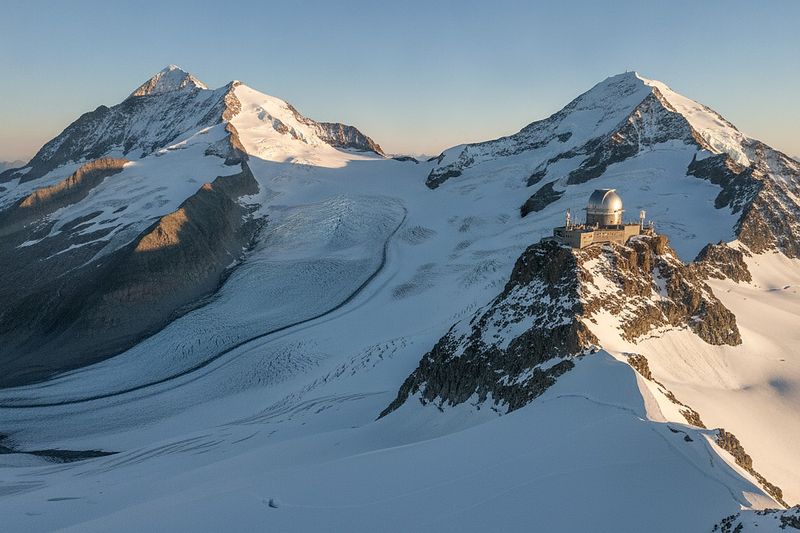
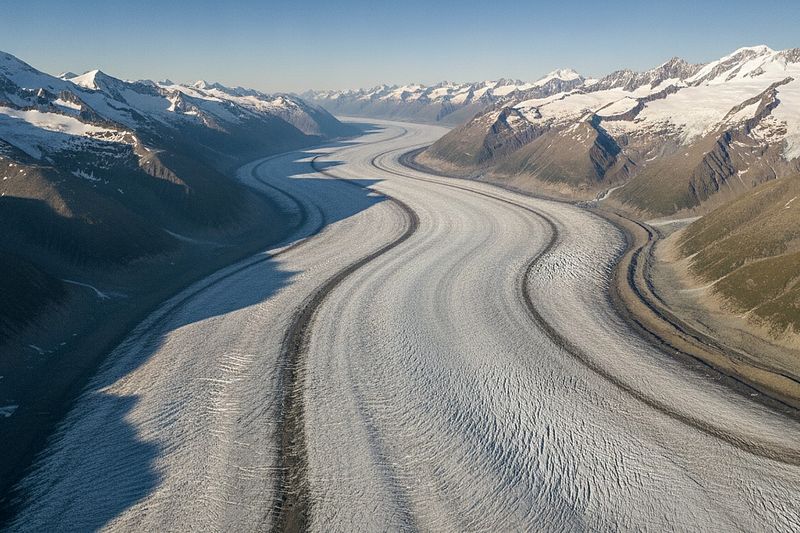
The Jungfraujoch is not a summit but a high pass of ice between two of the best-known peaks in the Alps, the Mönch and the Jungfrau. The Jungfrau Railway, running since 1912, tunnels through the Eiger and the Mönch to a station at 3,454 m, which is why it is marketed as the Top of Europe. Up there you stand at the head of the Aletsch Glacier, the largest in the Alps, 22 km long and up to 900 m thick, inside the Swiss Alps Jungfrau-Aletsch UNESCO World Heritage Site.
At the top a set of attractions is linked by tunnels and lifts: the Sphinx Observation Deck at 3,571 m, the Ice Palace carved into the glacier, the snow Plateau outside, the Alpine Sensation walkway, a 360 degree cinema and a Lindt chocolate shop. The railway operator suggests about 15 minutes for each of the main points, so allow two to three hours on top including lunch.
How the trip works
Everyone starts at Interlaken Ost station, or in Grindelwald, Lauterbrunnen or Wengen if they are staying in the valleys. There are two ways up:
- Via Grindelwald and the Eiger Express: train to Grindelwald Terminal, the Eiger Express gondola to Eigergletscher at 2,320 m in about 15 minutes, then the Jungfrau Railway to the top in 26 minutes. About 1 hour 30 from Interlaken.
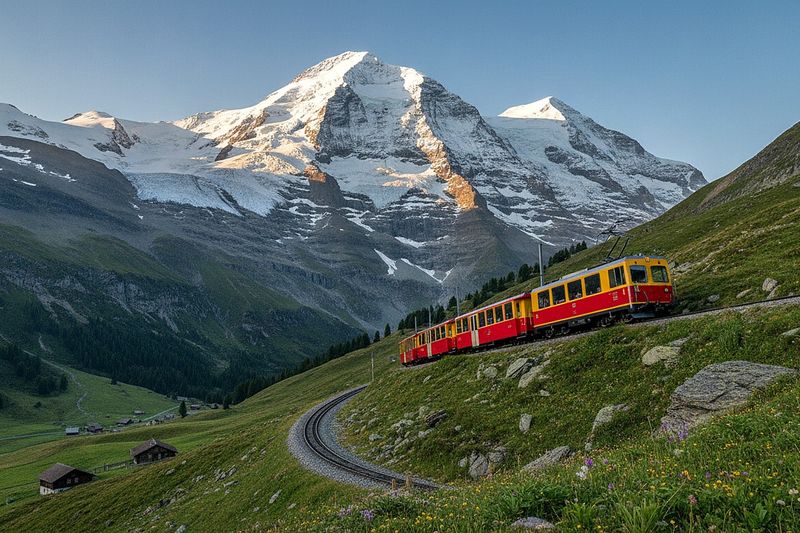
- Via Lauterbrunnen, Wengen and Kleine Scheidegg: the classic rack railway route under the Eiger north face, slower at around 2 hours 15 but very scenic.
The best plan is to go up one way and come down the other: your return ticket allows it. On the way up the train stops for about 5 minutes at Eismeer, a window station inside the Eiger at about 3,160 m.
What it costs at a glance
Return fares per adult. Full fares change with the season; discounts depend on the pass you hold. Sterling is rounded at about £0.91 to the franc.
| Ticket | May to October | November to April |
|---|---|---|
| Full fare from Interlaken Ost | about CHF 261.20, £237 | about CHF 224.40, £204 |
| Full fare from Grindelwald or Wengen | about CHF 239.20 | about CHF 201.20 |
| With Half Fare Card, from Interlaken Ost | about CHF 130.60 | about CHF 112.20 |
| With Swiss Travel Pass, from Interlaken Ost | about CHF 179.40 | about CHF 150.90 |
| Seat reservation on the Jungfrau Railway | CHF 10, compulsory | CHF 10, optional |
Lowest fare on the operator's shop: from CHF 100.60; seat reservation from the operator, checked November 2026. Fares by origin are from a secondary source because the operator's price calculator cannot be read: confirm when booking.
Who sells what
The Jungfrau Railways sell tickets themselves, at Interlaken Ost and the valley stations and in their online shop, and that is where pass holders get their discounted ticket. GetYourGuide and Tiqets list tickets and guided day trips by independent providers, for example full-day tours from Zurich, Lucerne or Bern with transport and a guide. Those are handy if you are not staying in the Jungfrau region; if you are, a ticket from Interlaken is usually the simplest choice. Our tickets and prices guide compares every option.
Compare Jungfraujoch tickets and day trips
Tickets from Interlaken and guided day trips from Zurich, Lucerne and Bern by independent providers.
Plan your Jungfraujoch trip
Is it worth the money?
It is expensive: for a couple paying full fare in summer, about CHF 540 including reservations for one day. Whether that is worth it depends almost entirely on the weather. On a clear day you look across the Aletsch Glacier towards Italy and down onto the Black Forest and the Vosges on the horizon, and the train journey through the Eiger is an experience in itself. In thick cloud you see white from the Sphinx and spend your time in the tunnels and the Ice Palace.
So keep your date flexible, check the live webcam on the operator's website on the morning you go, and if the top is in cloud consider a lower peak instead, such as Männlichen, First or Schynige Platte, which cost far less. Many visitors find the region beautiful enough to justify the trip even without the summit, but no one wants to pay over CHF 200 for a view of fog.
Ways to pay less
- Swiss Half Fare Card (CHF 150 for a month): 50% off the Jungfraujoch and most Swiss trains and mountain railways. On its own the Jungfraujoch saving in summer is about CHF 130, so it pays off as soon as you add one more trip.
- Swiss Travel Pass: free to Grindelwald or Wengen, then 25% off. It is less generous here than the Half Fare Card, but the pass pays off if you travel a lot across Switzerland.
- Good Morning Ticket: 20% off between 1 May and 31 October if you take one of the first two trains and come down by 13:17. It cannot be combined with any pass or card.
- Winter: fares from November to April are about CHF 37 lower and the reservation is optional.
- Children 6 to 15 travel free with the Swiss Family Card or Junior Travelcard when they are with a paying parent.
A classic day from Interlaken
- Early train
Take a train from Interlaken Ost around 7am towards Grindelwald Terminal. Early trains are emptier, the air clearer, and in summer the Good Morning Ticket applies.
- Eiger Express and Jungfrau Railway
Ride the gondola to Eigergletscher in about 15 minutes, then the train through the Eiger with the Eismeer stop. In summer your reserved time slot applies to this train.
- Two to three hours on top
Start with the Sphinx while the view is clear, then the Plateau, the Ice Palace and Alpine Sensation. Have lunch before the midday crowds.
- Down via Wengen
Return through Kleine Scheidegg, Wengen and Lauterbrunnen for the north face of the Eiger and the Lauterbrunnen valley waterfalls.
Getting there from the UK
Fly to Zurich, Basel or Geneva and take the train to Interlaken Ost: around two hours from Zurich Airport, about three from Geneva. Many travellers base themselves in Interlaken, Grindelwald, Wengen or Lauterbrunnen for a few days, which also gives you a choice of clear days for the summit. From Lucerne or Zurich, the Jungfraujoch is possible as a long day trip by train or on a guided tour. Details are on the getting there page.
Altitude, weather and clothing
At 3,454 m the air is thin. Most healthy people only notice mild breathlessness or a headache; walk slowly, drink water and come down if you feel unwell. People with heart or lung conditions, pregnant women and parents of babies should ask a doctor first, as the operator also advises. It is cold on the Plateau even in August and there is snow all year, so bring a warm layer, sunglasses and sun cream. Trainers are fine, but they get wet in the snow. More in our practical tips.
Mistakes that cost money
- Going up in cloud without checking the webcam.
- Buying a Swiss Travel Pass only for the Jungfraujoch, when the Half Fare Card gives a bigger discount here.
- Forgetting the CHF 10 reservation in summer, which is compulsory for everyone.
- Arriving late morning in July or August, when queues and full trains are at their worst.
- Combining the Good Morning Ticket with a pass: it is not allowed, so compare the two prices.
The Jungfraujoch in numbers
- 3,454 m: the station, the highest in Europe. 3,571 m: the Sphinx Observation Deck.
- 1912: the year the Jungfrau Railway reached the top after 16 years of construction work.
- 22 km: the length of the Aletsch Glacier below you.
- 26 minutes: the train from Eigergletscher through the Eiger and the Mönch.
- CHF 10: the seat reservation, compulsory from 1 May to 31 October.
- About CHF 37: what you save on a full-fare return by going between November and April.
Which plan suits you
- Touring Switzerland by train for a week or more: a Swiss Travel Pass covers the trains to Grindelwald or Wengen, and you pay about CHF 179 for the mountain section in summer. Fine if the pass pays off elsewhere.
- A few days in Interlaken or Grindelwald: the Half Fare Card or the Jungfrau Travel Pass usually gives the lowest total, especially if you add First, Männlichen or Schynige Platte.
- No pass and an early riser: the Good Morning Ticket saves 20% between May and October.
- Families: get the free Swiss Family Card with your pass or Half Fare Card, or a Junior Travelcard for CHF 30 per child, and the children travel free.
- Only one day, based in Zurich or Lucerne: an organised day tour saves planning, though you cannot choose the clearest day at short notice as easily.
Staying in the region or a day trip?
If you can, stay at least two nights in the Jungfrau region. It lets you pick the clearest morning for the summit and use the other days for walks and lower peaks. Interlaken has the widest choice of hotels and the best connections; Grindelwald puts you at the foot of the Eiger Express; Wengen and Mürren are car-free villages with superb views. As a day trip from Zurich or Lucerne the Jungfraujoch works, but you are tied to one date whatever the weather does, and you spend around four hours on trains before and after the mountain itself. If you do go from Lucerne or Zurich, check the summit webcam the evening before and be ready to swap days if the forecast turns: a guided tour booked weeks ahead cannot wait for the weather.
Planning a day trip from Zurich or Lucerne?
Guided tours with transport and the mountain railway, plus tickets from Interlaken.
Frequently asked questions
- How much does it cost to go up the Jungfraujoch?
- A full-fare return from Interlaken Ost costs about CHF 261 in summer and CHF 224 in winter, plus a CHF 10 seat reservation from May to October. With the Half Fare Card it is about half.
- How long does it take to get to the Jungfraujoch?
- About 1 hour 30 from Interlaken Ost via the Eiger Express, and around 2 hours 15 via Wengen and Kleine Scheidegg.
- How long should I spend at the top?
- Two to three hours is enough for the Sphinx, the Plateau, the Ice Palace and lunch. The whole day from Interlaken takes six to eight hours.
- Is the Jungfraujoch open in winter?
- Yes, it is open every day of the year. Winter fares are lower, but days are short and the weather can close the view.
- Is the Jungfraujoch covered by the Swiss Travel Pass?
- Only to Grindelwald or Wengen. Above that the pass gives 25% off.
- Do I need to book in advance?
- From May to October a seat reservation for a time slot is compulsory. Book a few days ahead and choose a clear day.
- Will I get altitude sickness?
- Some people feel short of breath or get a headache at 3,454 m. Move slowly and drink water. Ask your doctor first if you have heart or lung problems or are pregnant.
- What should I wear?
- Warm layers, sunglasses and sun cream. It is below freezing on the Plateau for much of the year and there is snow even in summer.
- Can children go?
- Yes. Under 6s travel free, and children 6 to 15 travel free with a Swiss Family Card or Junior Travelcard with a paying parent.
- Is it worth it in bad weather?
- Rarely. Check the webcam first; in cloud a lower viewpoint such as Männlichen or First is better value.